Automotive Resistance Welding Solutions for Modern Vehicle Manufacturing
In today’s highly competitive automotive industry, manufacturers demand welding technologies that ensure strength, consistency, and efficiency. Automotive resistance welding has become the backbone of vehicle production, supporting high-speed assembly while meeting strict safety and quality standards. From body-in-white construction to structural components, automotive resistance welding continues to play a critical role in modern car manufacturing.
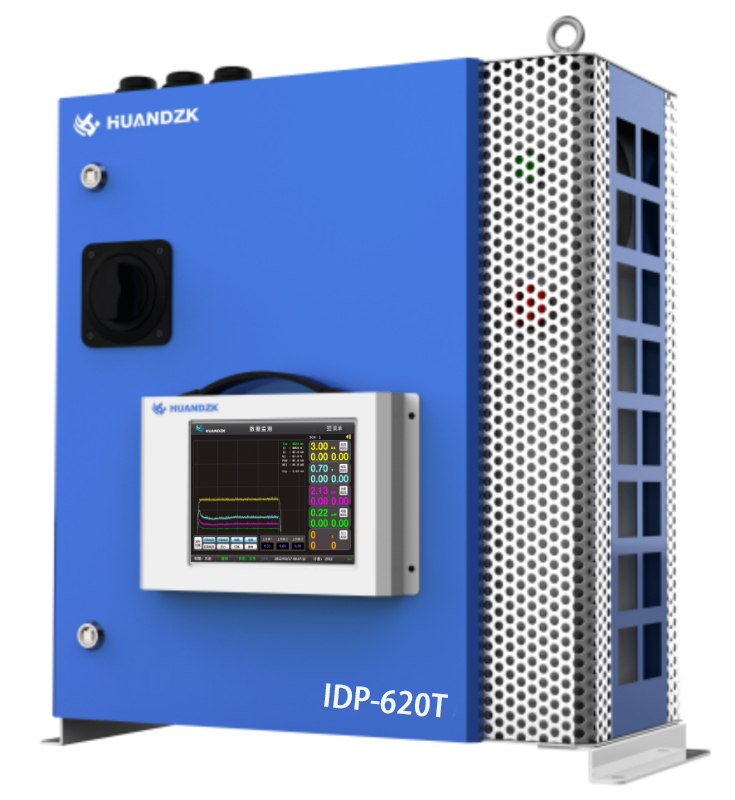
With increasing use of high-strength steel, aluminum, and mixed materials, advanced automotive resistance welding systems are essential to achieve stable joints without compromising productivity. Automotive OEMs and Tier 1 suppliers rely on proven automotive resistance welding solutions to maintain repeatability across millions of welds.
Automotive Spot Welding for High-Volume Production Lines
Automotive spot welding is one of the most widely used joining processes in vehicle assembly plants. A single car body may contain several thousand spot welds, making automotive spot welding crucial for structural integrity and crash performance. The speed and reliability of automotive spot welding allow manufacturers to maintain high throughput without sacrificing weld quality.
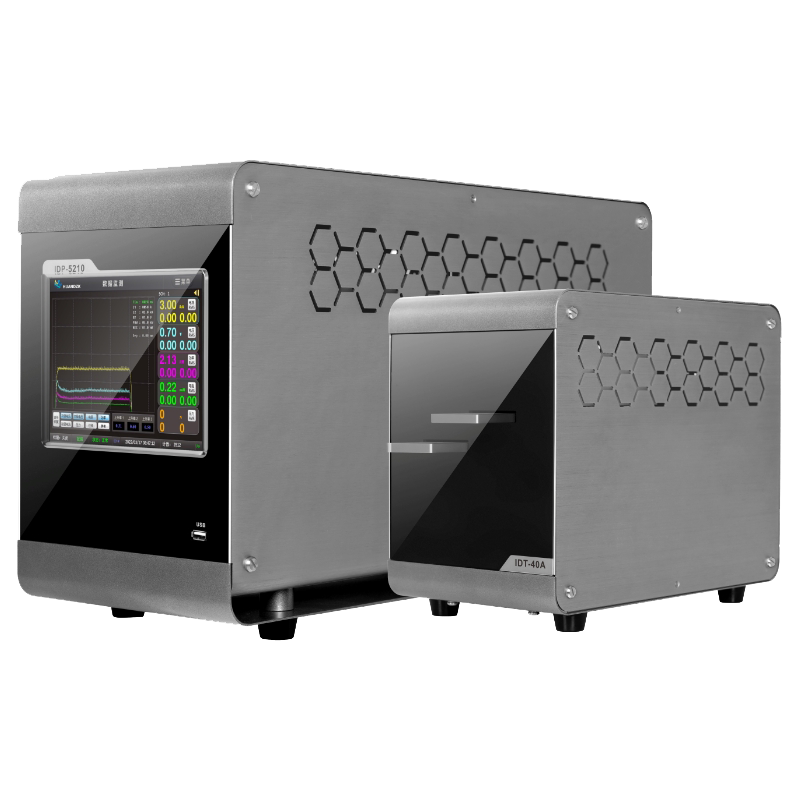
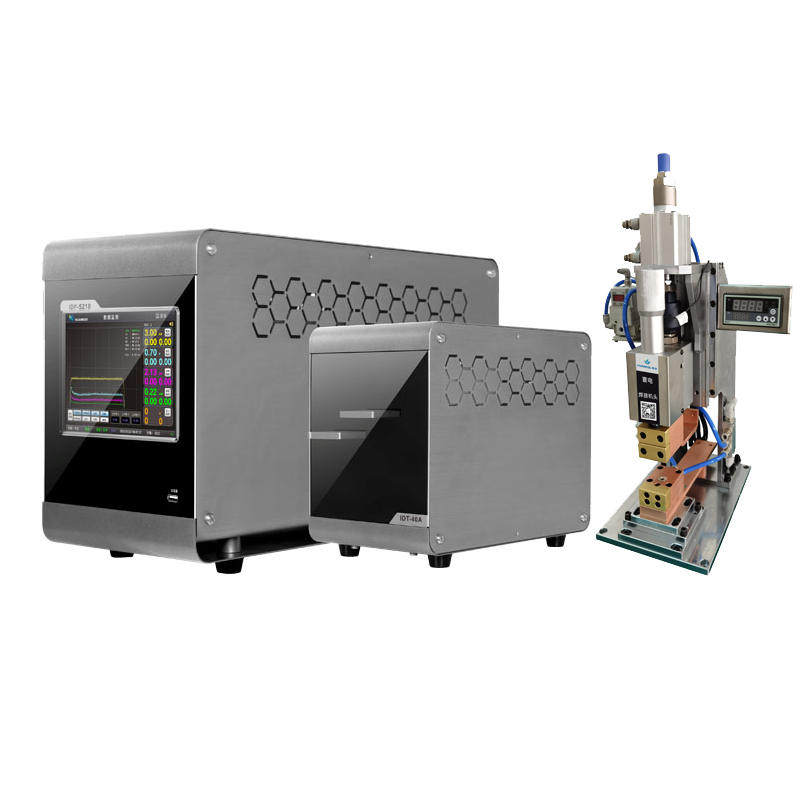
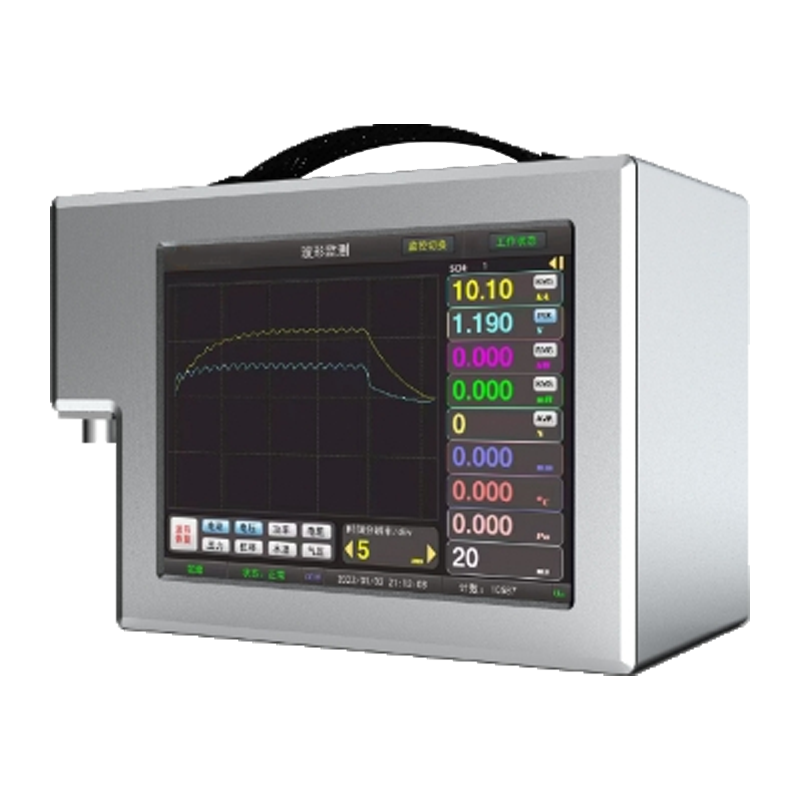
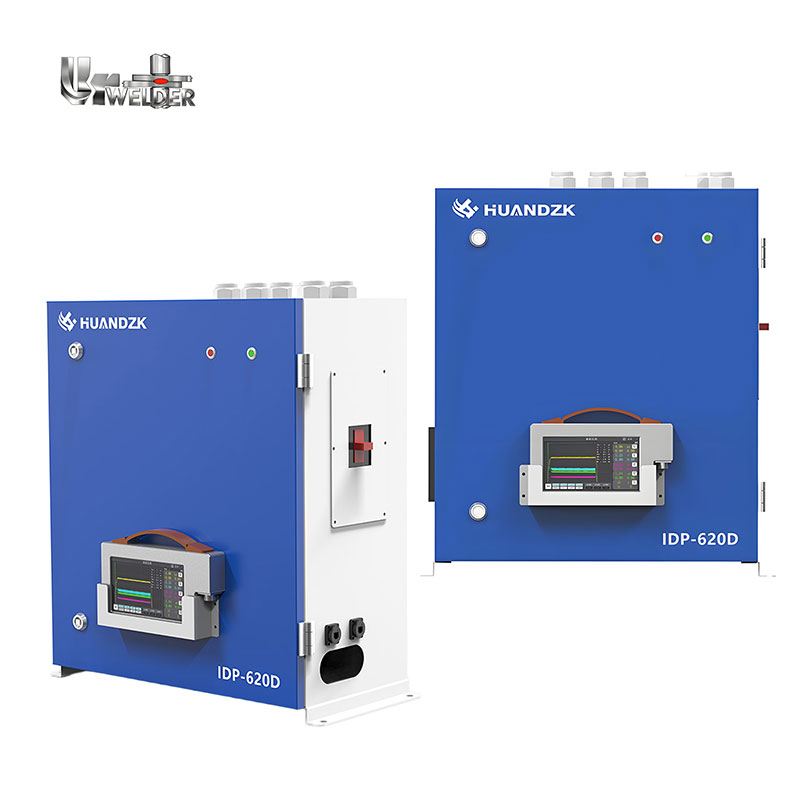
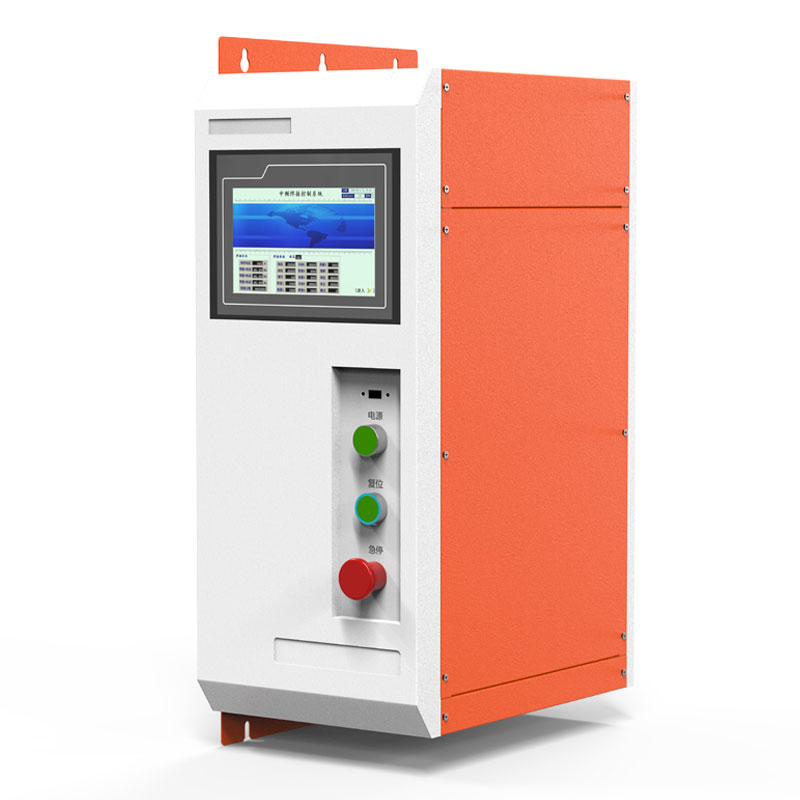
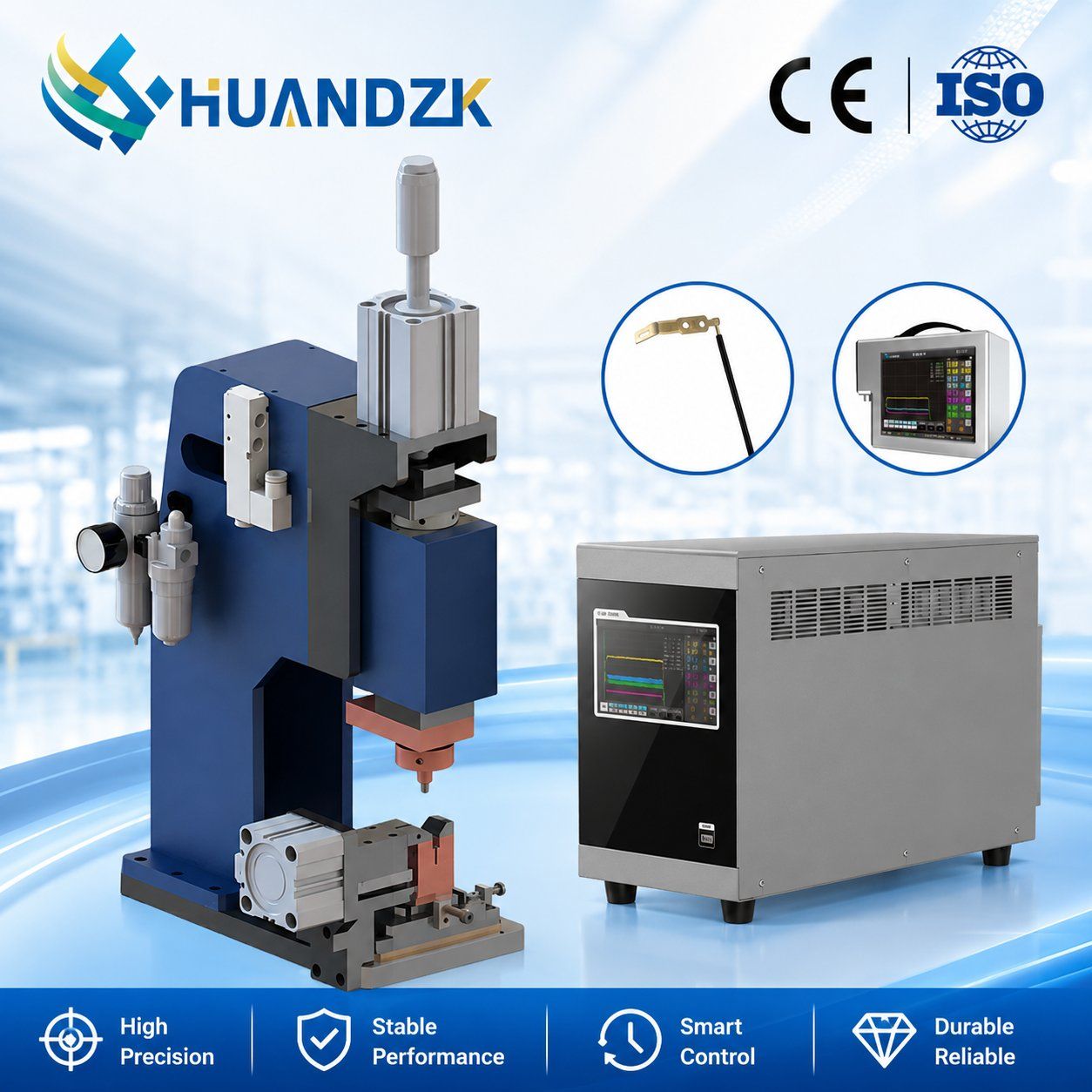
Modern automotive spot welding equipment integrates precise current, force, and time control to adapt to different material thicknesses and coatings. As production lines become more automated, automotive spot welding systems are increasingly paired with robots and real-time monitoring tools to ensure consistent results.
Resistance Spot Welding for Car Body Structures
When it comes to body-in-white assembly, resistance spot welding for car body applications is the industry standard. Doors, roofs, pillars, and side panels all depend on resistance spot welding for car body structures to achieve strong and uniform joints. This process provides excellent mechanical strength while maintaining dimensional accuracy.
Advanced controllers improve resistance spot welding for car body by compensating for electrode wear, surface conditions, and material variations. With precise heat input, resistance spot welding for car body minimizes distortion and preserves corrosion-resistant coatings, which is essential for long-term vehicle durability.
Projection Welding for Auto Parts with Complex Geometry
For components such as nuts, bolts, brackets, and fasteners, projection welding for auto parts offers clear advantages. Unlike traditional spot welding, projection welding for auto parts concentrates current at predefined projections, ensuring consistent weld strength and positioning.
Manufacturers prefer projection welding for auto parts because it allows multiple weld points to be completed in a single cycle. This improves efficiency while reducing electrode wear. From seat frames to suspension components, projection welding for auto parts delivers reliable performance in demanding automotive environments.
Seam Welding for Automotive Components Requiring Leak Tightness
Certain automotive components require continuous, airtight welds rather than discrete points. Seam welding for automotive components is widely used for fuel tanks, exhaust systems, radiators, and battery enclosures. The continuous weld produced by seam welding for automotive components ensures excellent sealing and structural strength.
With controlled heat input and rolling electrodes, seam welding for automotive components supports both steel and stainless-steel applications. As electric vehicles continue to grow, seam welding for automotive components is becoming increasingly important for battery trays and cooling systems where leak prevention is critical.
Integrated Automotive Resistance Welding Systems
A complete automotive resistance welding solution often combines automotive spot welding, resistance spot welding for car body, projection welding for auto parts, and seam welding for automotive components within a single production facility. Modern welding controllers allow manufacturers to standardize equipment while supporting multiple processes.
By using advanced automotive resistance welding technology, manufacturers can reduce energy consumption, improve weld consistency, and enable predictive maintenance. Data-driven automotive resistance welding systems also support traceability, helping OEMs meet global automotive quality standards.
Conclusion
As vehicle designs evolve and material combinations become more complex, automotive resistance welding remains a proven and adaptable joining technology. Whether through automotive spot welding, resistance spot welding for car body, projection welding for auto parts, or seam welding for automotive components, manufacturers can achieve high-quality, efficient, and reliable automotive production.