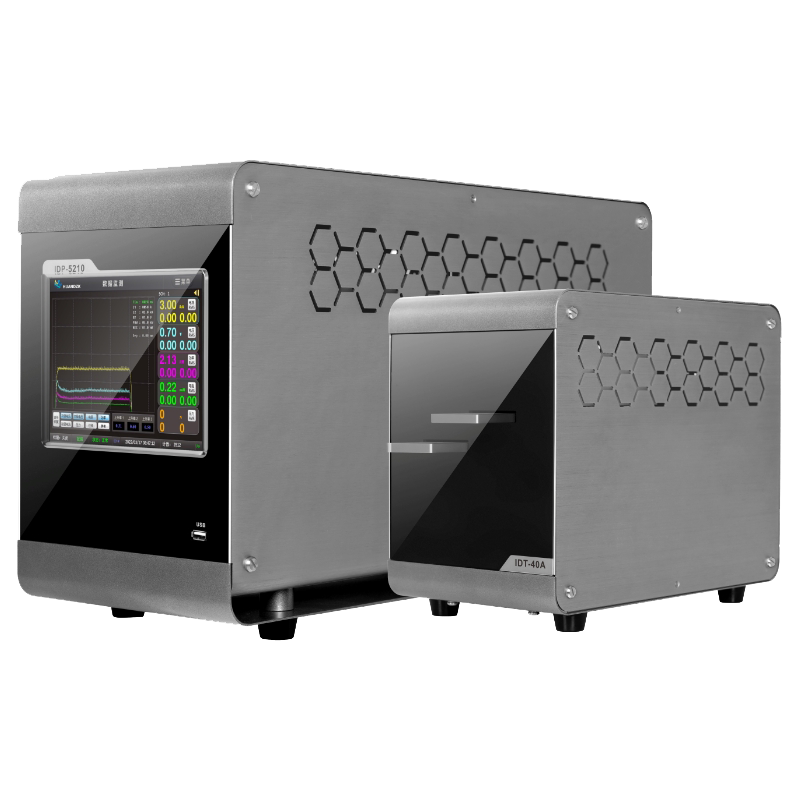
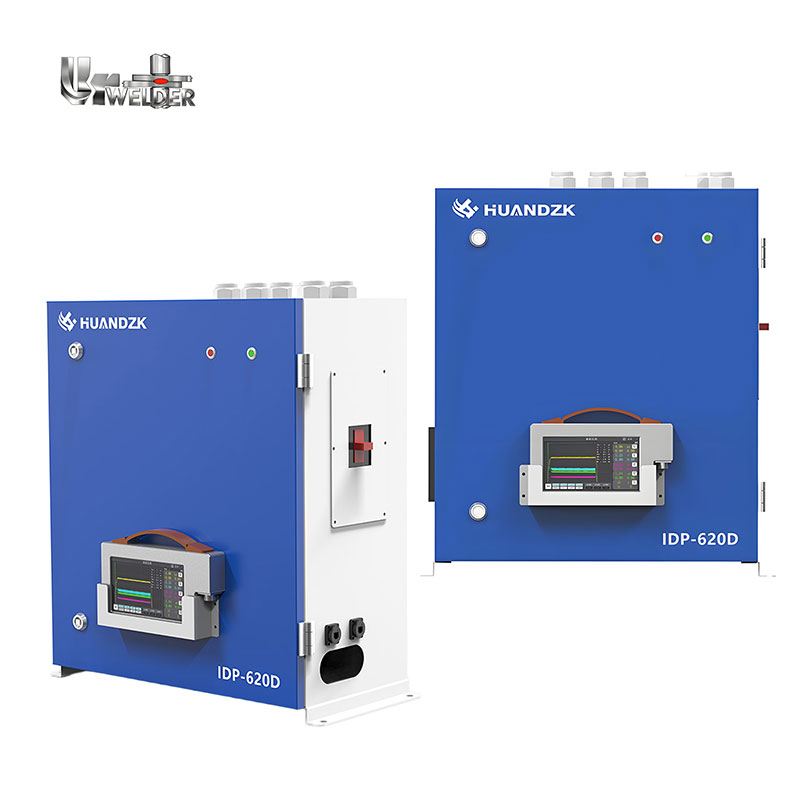
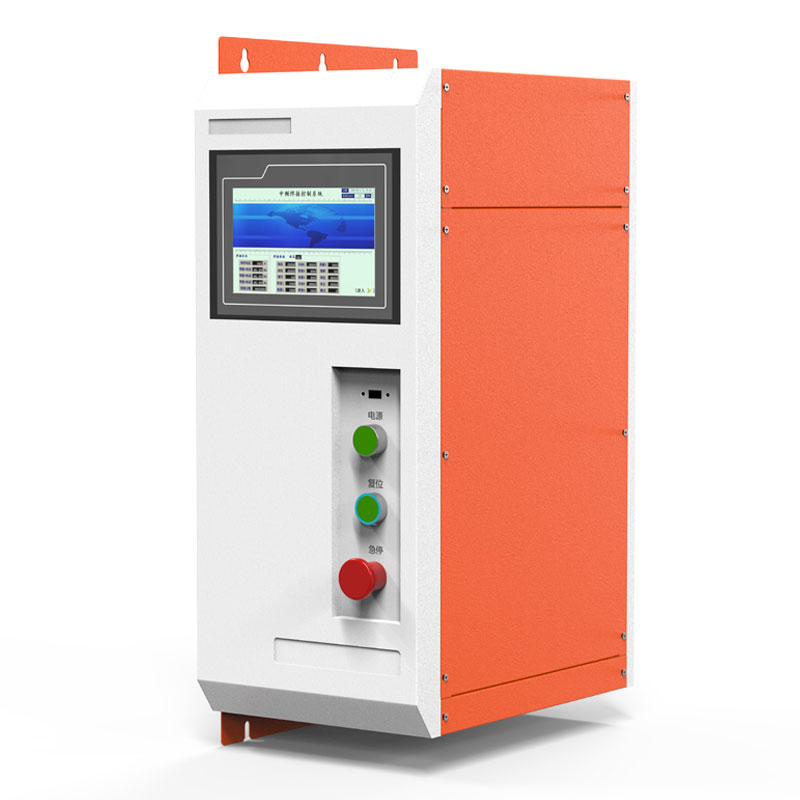
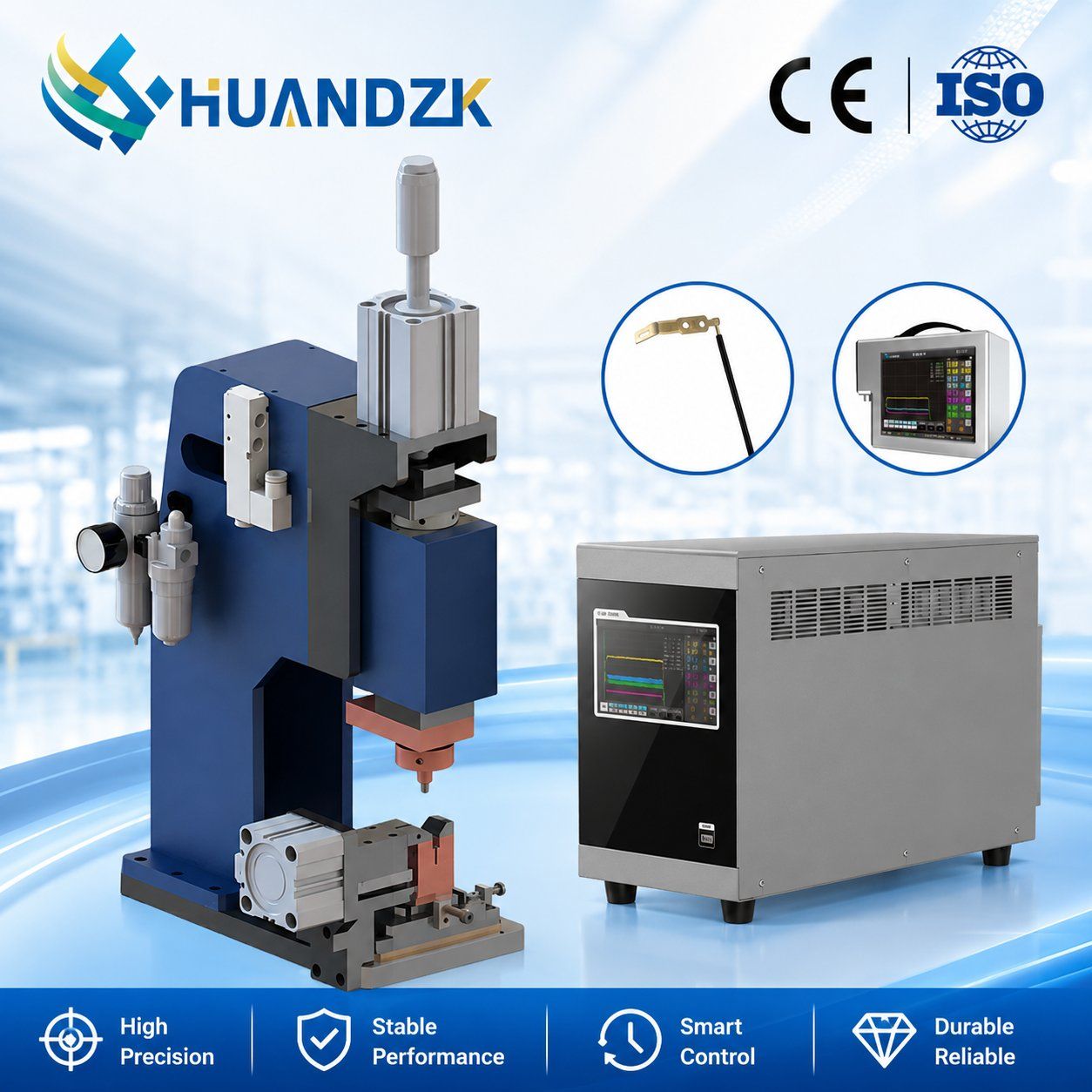
In modern vehicle manufacturing, the automotive resistance welding controller plays a critical role in ensuring stable welding quality and efficient production. With the rapid development of automotive automation, manufacturers increasingly rely on a reliable automotive resistance welding controller to manage robotic welding guns, optimize welding current, and ensure consistent weld strength in car body assembly.
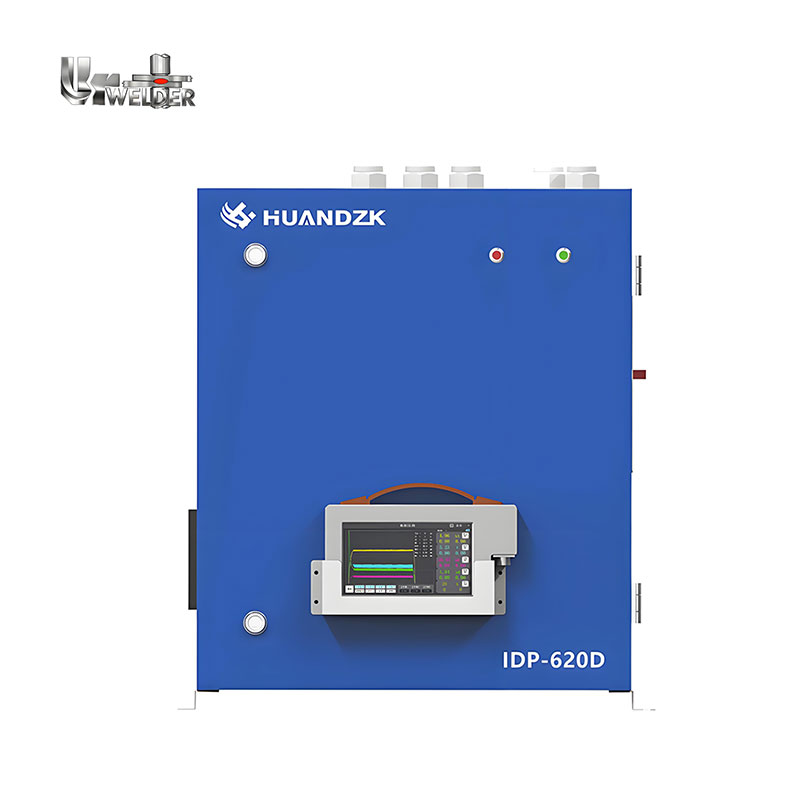
A high-performance automotive resistance welding controller is essential for robotic welding lines where thousands of welds are performed daily. The controller precisely regulates welding current, pressure, and timing, allowing the automotive resistance welding controller to maintain stable performance even in high-speed automotive production environments.
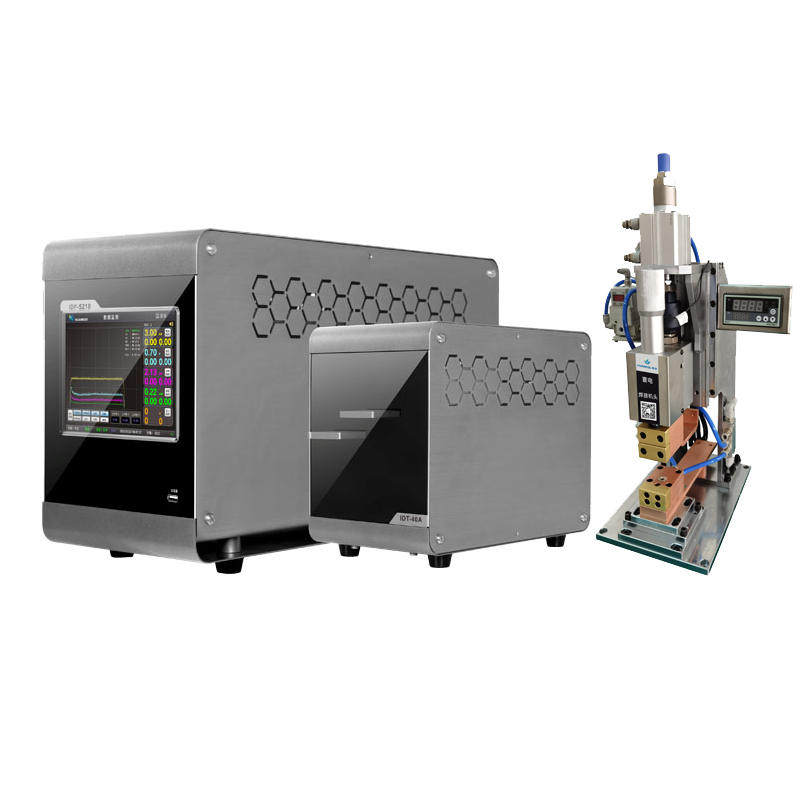
For robotic spot welding stations, a dependable robotic spot welding controller is equally important. A modern robotic spot welding controller integrates seamlessly with industrial robots and welding guns, ensuring accurate weld parameters for each joint. By using an advanced robotic spot welding controller, automotive factories can reduce welding defects and improve productivity across the entire body-in-white process.
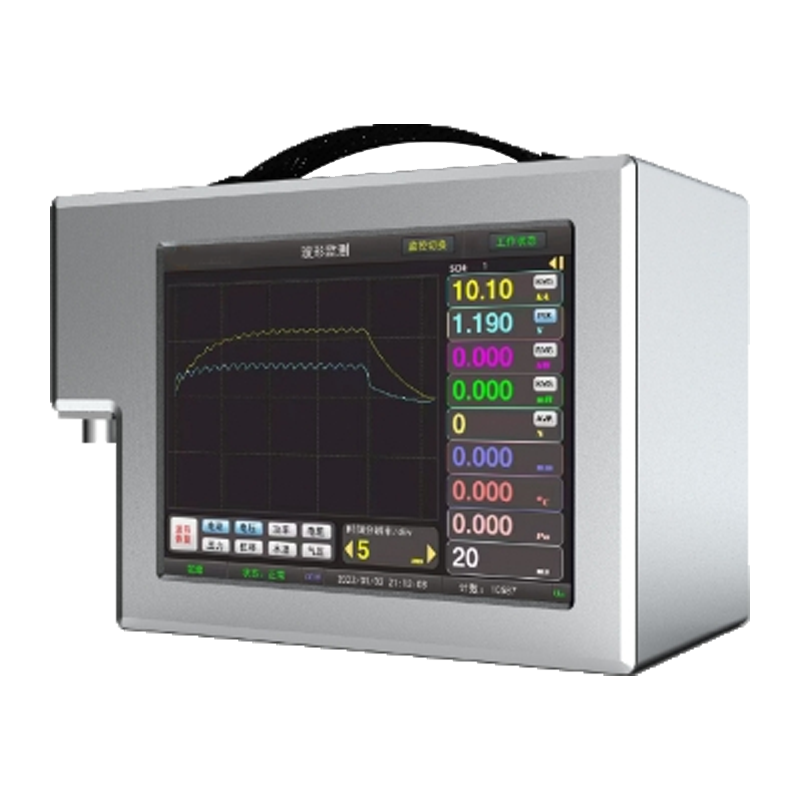
The design of a high-quality robotic spot welding controller focuses on digital current control, adaptive welding algorithms, and real-time monitoring. With these technologies, the robotic spot welding controller provides stable welding output, allowing manufacturers to achieve reliable weld consistency across thousands of welding points.
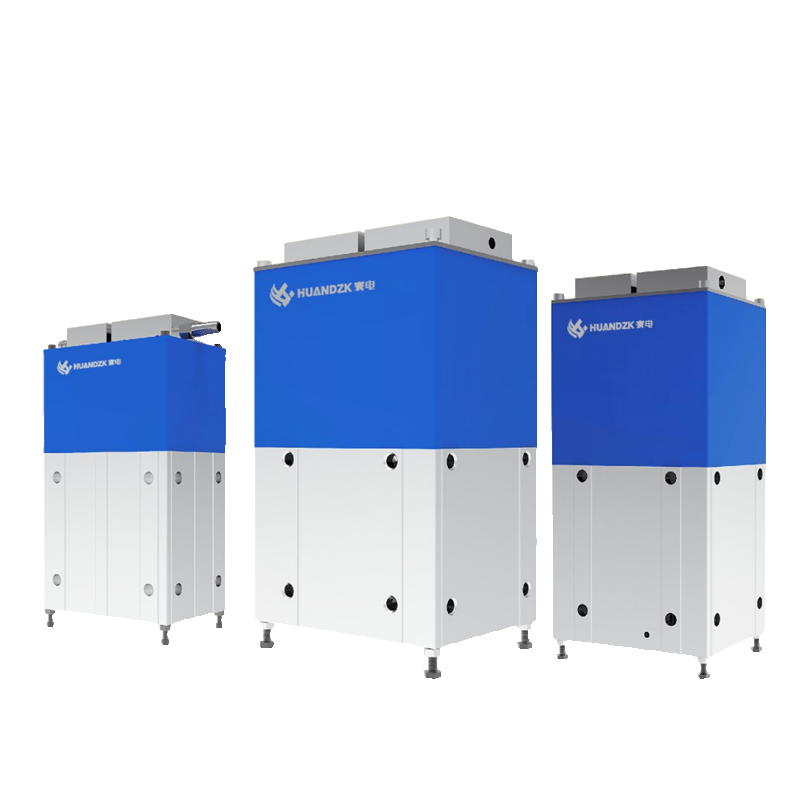
In many automotive welding applications, manufacturers also prefer an MFDC welding controller because of its efficiency and precision. An advanced MFDC welding controller converts power through inverter technology, enabling precise control of welding current. Compared with traditional AC systems, an MFDC welding controller offers faster response and more stable weld formation.
Another advantage of an MFDC welding controller is energy efficiency. The MFDC welding controller reduces power consumption while maintaining high welding performance, making it a preferred solution for modern automotive production lines. With accurate feedback control, the MFDC welding controller ensures repeatable weld quality even in demanding robotic welding environments.
When comparing international brands, many automotive factories are familiar with solutions from Bosch, Miyachi, and ARO. Products from Bosch are known for industrial automation integration and strong automotive industry presence. Meanwhile, Miyachi Unitek systems are widely used in precision welding applications, and ARO Welding Technologies controllers are popular in automotive robotic welding cells.
However, modern welding manufacturers now offer alternatives that deliver similar performance with more competitive cost advantages. A well-designed automotive resistance welding controller, combined with an advanced robotic spot welding controller and high-efficiency MFDC welding controller, can provide stable welding performance comparable to leading global brands while remaining flexible for integration into different robotic welding systems.
Today’s automotive factories demand intelligent welding control systems capable of supporting automation, data monitoring, and production traceability. By implementing a reliable automotive resistance welding controller, a powerful robotic spot welding controller, and an efficient MFDC welding controller, manufacturers can achieve higher welding quality, improved production efficiency, and better overall control of automotive welding processes.