Advanced Pulse Welding Technology for Precision Electronics and Metal Joining
As electronic devices become smaller and industrial components demand stronger, cleaner joints, manufacturers are turning to advanced pulse welding technologies for greater control and consistency. Solutions built around high frequency pulse welder, PCB interconnect welding, and intelligent control platforms are helping industries achieve both precision and production efficiency.
Precision Energy Control for Delicate Components
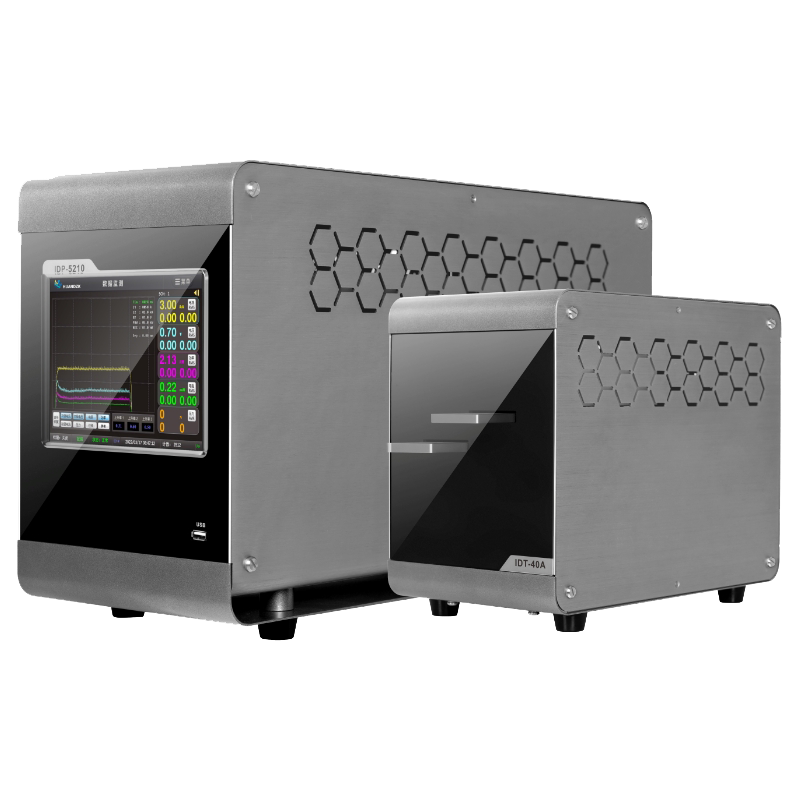
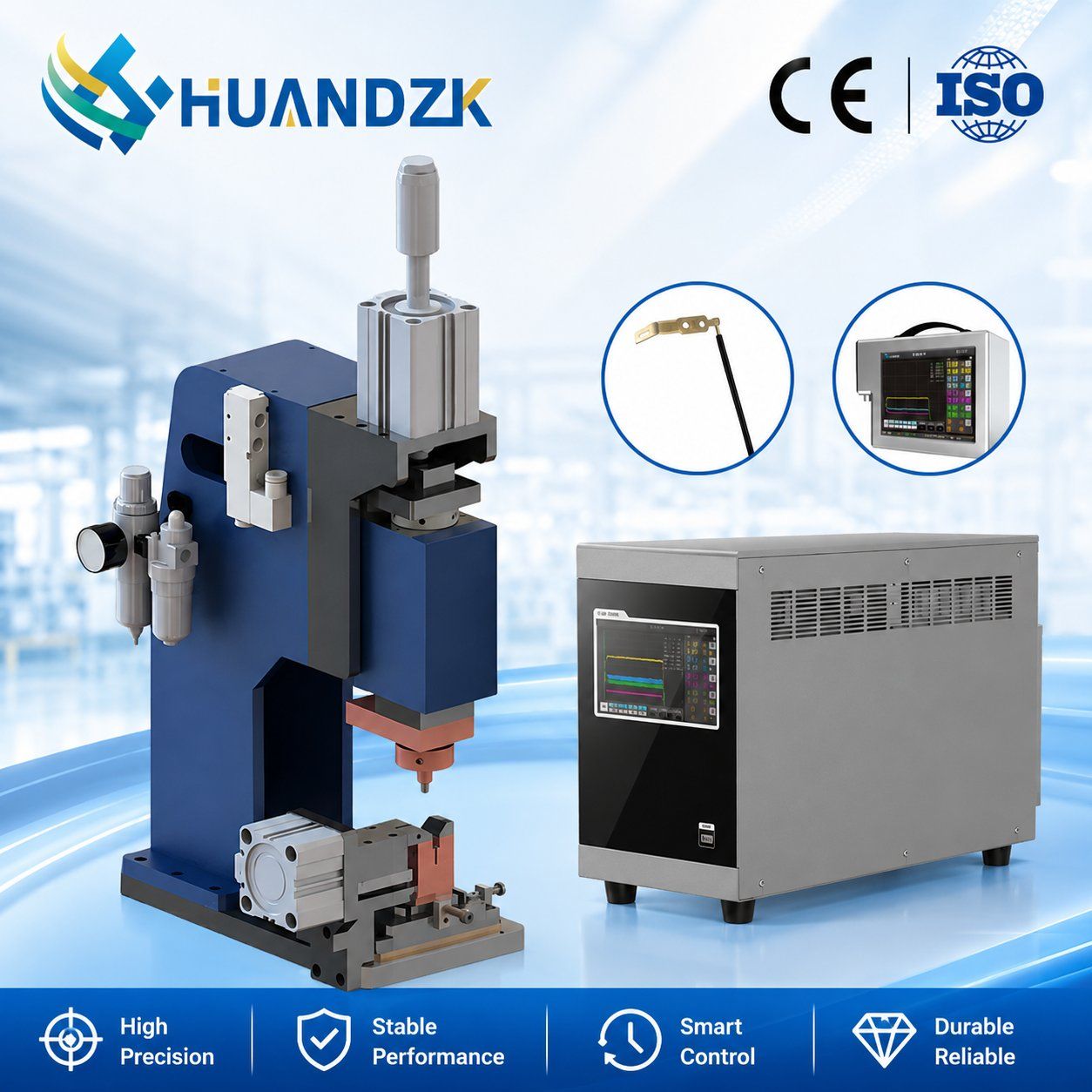
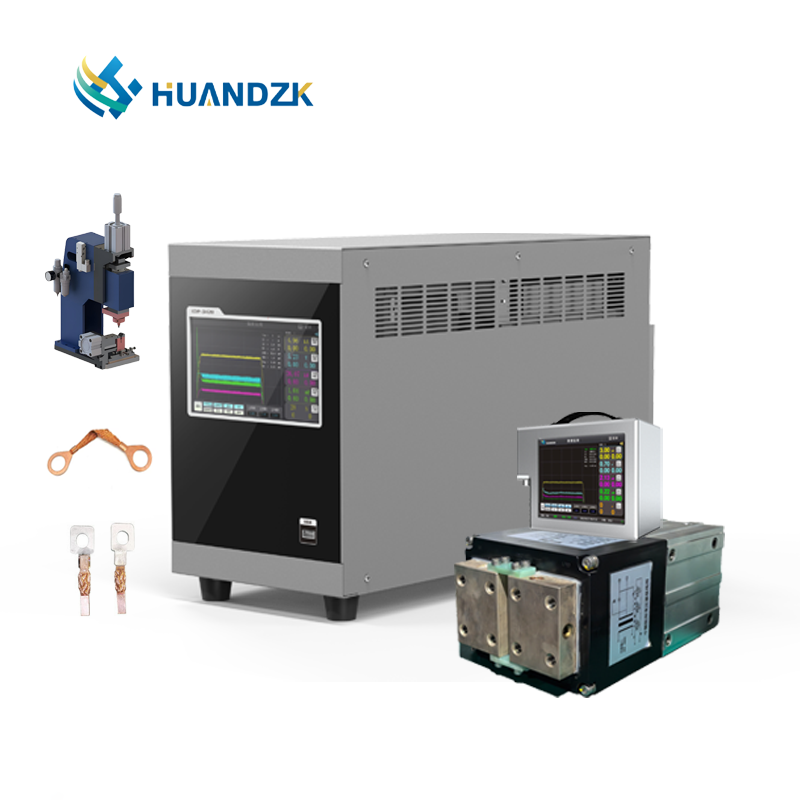
A modern high frequency pulse welder delivers extremely fast and stable energy output, making it ideal for applications that require minimal thermal impact. By using a high frequency pulse welder, manufacturers can achieve clean welds on sensitive parts without damaging surrounding materials. This makes the high frequency pulse welder especially valuable in micro-electronics and fine conductor welding.
Reliable PCB Connection Performance
In compact electronic assemblies, PCB interconnect welding plays a critical role in ensuring stable signal transmission and mechanical strength. Advanced systems designed for PCB interconnect welding allow precise pulse shaping and pressure control, which improves weld consistency across high-density circuit layouts. As product sizes shrink, dependable PCB interconnect welding becomes even more important for long-term reliability.
Smarter Thermal Management
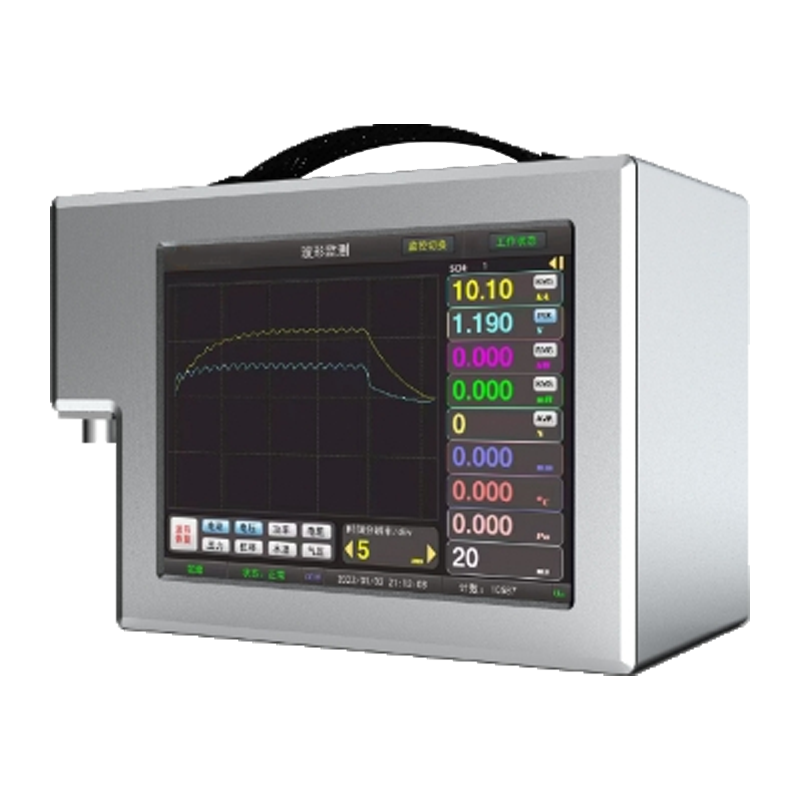
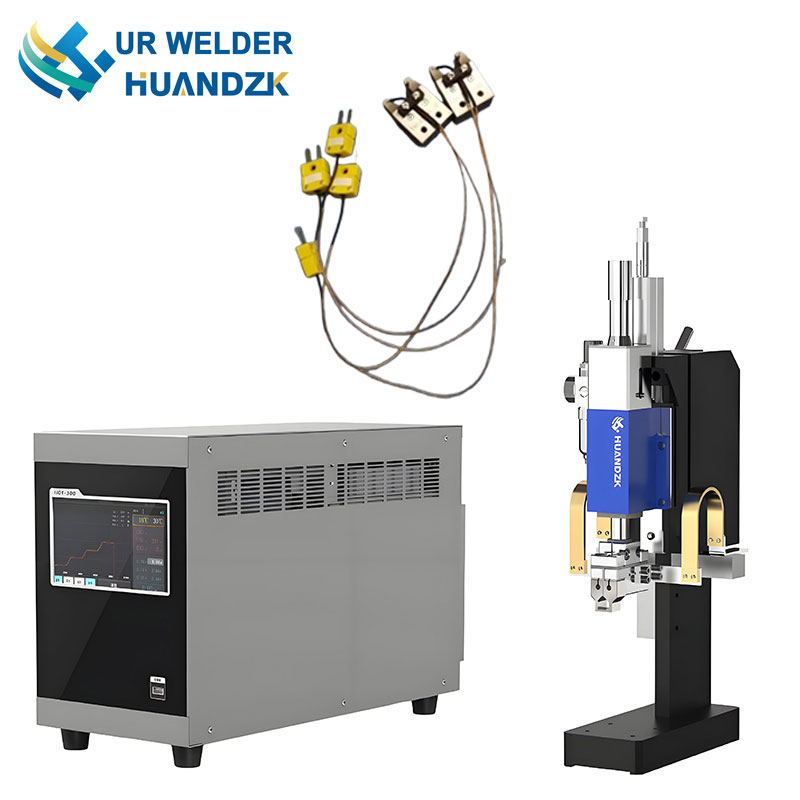
A responsive heat pulse control system gives manufacturers the ability to fine-tune thermal input for different materials and joint structures. With a well-designed heat pulse control system, weld quality remains stable even in high-speed production. Integrating a heat pulse control system with modern welding platforms helps reduce overheating, minimize deformation, and improve overall process repeatability.
High-Conductivity Metal Welding
Joining conductive materials requires stable current delivery, especially in spot welding copper to copper applications. Because copper dissipates heat quickly, spot welding copper to copper demands precise timing and strong current control. Advanced power regulation allows spot welding copper to copper to achieve solid joints with minimal surface damage, supporting applications in electrical connectors, battery components, and power systems.
Stable Force for Consistent Results
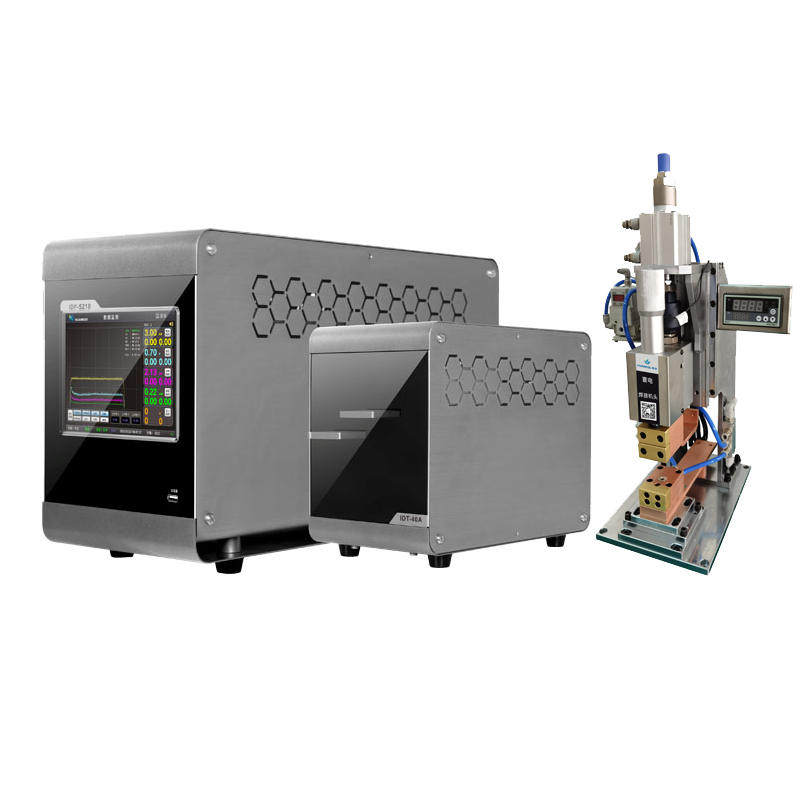
Mechanical stability is just as important as electrical performance. A reliable spot welding pneumatic controller ensures consistent electrode pressure during each weld cycle. By using a precision spot welding pneumatic controller, manufacturers can maintain uniform weld formation even in continuous production environments. Pairing a spot welding pneumatic controller with advanced pulse power further enhances weld repeatability and product quality.
Driving the Future of Precision Welding
From high frequency pulse welder systems to intelligent heat pulse control system integration, modern welding technology is reshaping how delicate electronics and conductive metals are joined. Combined with dependable PCB interconnect welding, optimized spot welding copper to copper, and accurate spot welding pneumatic controller operation, these solutions support high-efficiency manufacturing with superior consistency.